Last Updated on December 14, 2025 by Wahid
Quick Answer (TL;DR)
- Fabric glue is best for no-sew hems, attaching patches, and fixing small tears.
- Hemming tape works best for straight hems on trousers or curtains (non-stretch fabrics).
- Safety First: Never use Super Glue on fabric—it causes chemical burns and ruins clothes
Introduction
Not everyone owns a sewing machine. Even if you do, sometimes you simply don’t have the time to thread a needle for a quick fix.
That is where fabric adhesives come in. Rather than just a backup, think of fabric glue and hemming tape as essential emergency tools for your wardrobe.
Maybe you need to hem a pair of slacks in just five minutes. Or perhaps you need to securely fix a tear in your favorite sofa. Whatever the case, modern adhesives offer a strong, washable solution that can often rival stitching.
This guide covers which specific glue works for your fabric type, how to use iron-on tapes without ruining your clothes, and the critical safety mistakes to avoid.
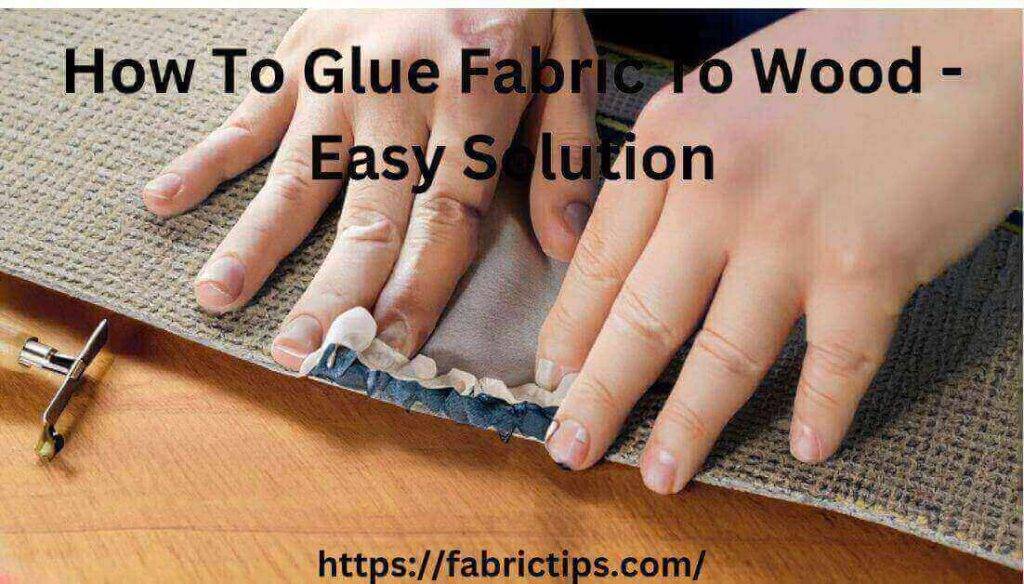
“Working on a different kind of project? See our guide on [how to glue fabric to wood] for crafting tips.”
Fabric Glue vs. Sewing: Which Should You Choose?
Before opening a bottle of glue, it is crucial to know its limitations. Glue is fantastic for surface repairs, but it cannot fully replace the structural integrity of a sewn seam.
| Feature | Fabric Glue | Sewing |
| Strength | Medium (Good for surface bond) | High (Structural integrity) |
| Washability | Depends on glue type | Excellent |
| Time Required | Fast (Minutes) | Slow (Hours) |
| Best Use | Patches, hems, embellishments | Seams, zippers, high-stress areas |
Verdict: Fabric glue is ideal for quick, cosmetic fixes. Sewing remains the undisputed champion for load-bearing repairs like crotch seams or bag straps.
Types of Fabric Adhesives (Which One Do You Need?)
Not all glues are created equal. Choosing the right adhesive depends entirely on the material you are working with.
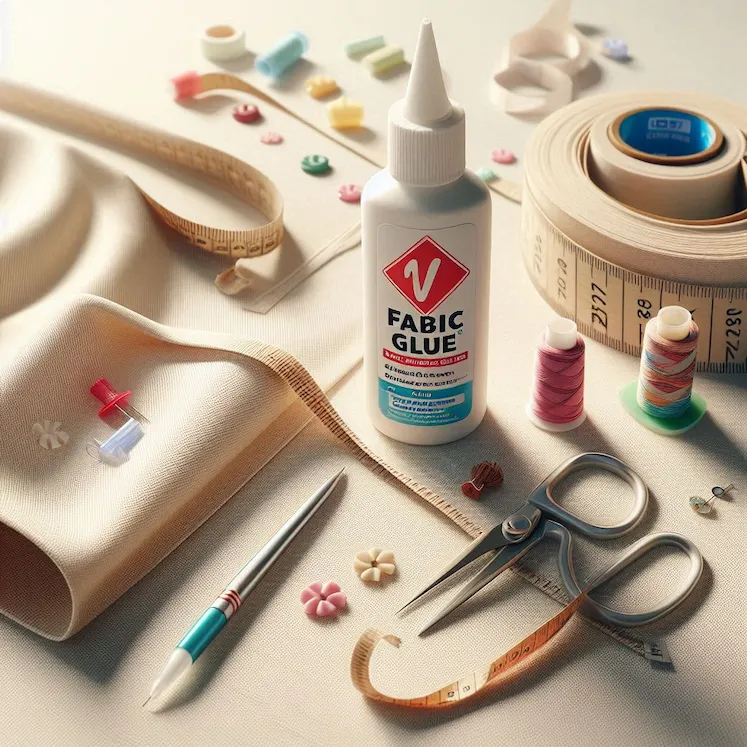
Liquid Fabric Glue (Permanent)
- Best for: Attaching patches, rhinestones, trims, or repairing small tears.
- Composition: These are often urethane or acrylic-based formulas. They are designed to dry clear and remain flexible, allowing the fabric to move naturally without cracking.
- Examples: Brands like Aleene’s or Fabri-Tac.
Fusible Web / Hemming Tape (Iron-On)
- Best for: Shortening pants, skirts, or curtains without a single stitch.
- How it works: This is a dry, mesh-like adhesive that melts when heated, bonding two layers of fabric together.
- Limitations: Avoid using hemming tape on stretchy knits or delicate fabrics like silk. The high heat required can damage fibers, and the bond often fails on elastic materials.
Spray Adhesives (Temporary)
- Best for: Quilting and embroidery where you need to hold fabric in place temporarily.
- Note: Most spray adhesives wash out, but be careful—applying high heat before washing can sometimes leave a sticky residue.
How to Use Hemming Tape (Step-by-Step)
Hemming tape is a lifesaver for non-sewers, but technique matters for a professional finish.
Measure & Fold
Measure your desired length and iron a crease to mark the fold clearly.
Place the Tape
Cut a piece of hemming tape and place it inside the fold, sandwiched between the two fabric layers.
Iron Settings
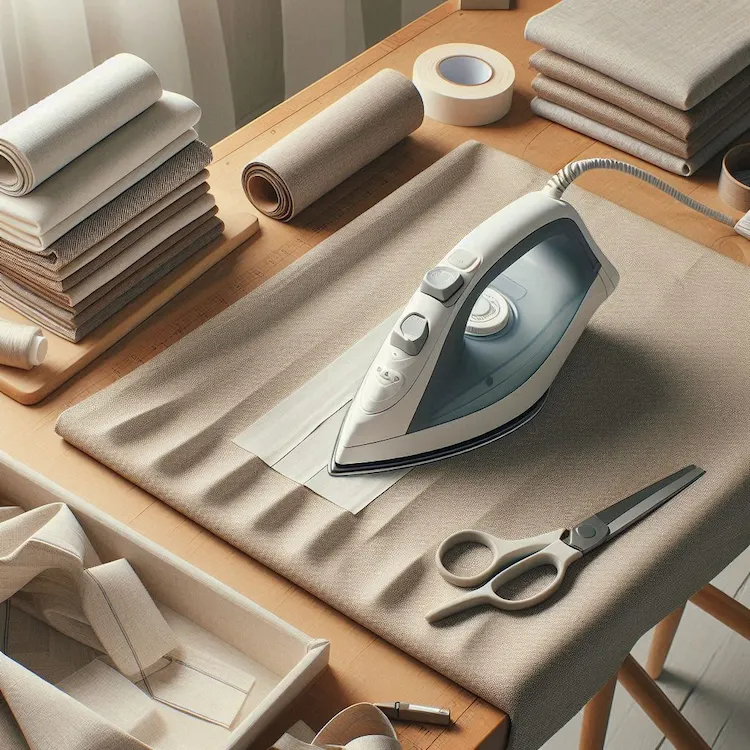
Set your iron to the “Wool” setting. Steam is usually recommended to help the adhesive melt, but always check the package instructions.
Press, Don’t Slide
Place the iron down firmly for 10–15 seconds. Lift it up and move to the next spot. Do not slide the iron back and forth, as this can shift the tape and ruin the hem.
💡 Pro-Tip: Made a mistake? Don’t panic. Place a damp pressing cloth over the area and iron it again. The steam often loosens the bond enough to let you peel the layers apart and readjust the hem.
Common Mistakes to Avoid
1. The Super Glue Danger (Safety Warning)
NEVER use Super Glue (Cyanoacrylate) on cotton or wool.
Cyanoacrylate reacts exothermically (creates heat) when it touches natural fibers like cotton. This reaction is intense enough to burn holes in the fabric and can even cause severe burns on your skin.
2. Using Too Much Glue
A “less is more” approach is best. If you apply a thick blob of glue, it will soak through to the front of the garment (bleed-through), leaving a permanent dark spot that ruins the look.
3. Using Too Much Heat
Excessive heat can scorch your fabric or weaken the glue bond. Always test iron-on products on a scrap piece of fabric first.
Is Fabric Glue Washable? (Care Instructions)
Most fabric glues claim to be “Permanent,” but they still require proper care to last.
- Cure Time: Do not wash the item immediately. Most glues need 24 to 48 hours to fully cure and reach maximum strength.
- Water Temperature: Cold water is safer than hot water for glued items.
- Dryer Safety: “Permanent” does not always mean dryer-safe. High heat in the dryer can re-melt some adhesives. Always air dry unless the glue label specifically confirms heat resistance.
Conclusion
Fabric glue and hemming tape are essential for any household. They provide a quick, nearly invisible fix for loose hems and small tears. While they are perfect for cosmetic repairs, remember that for structural issues—like a ripped crotch seam on jeans—a needle and thread are still the best solution.
Frequently Asked Questions (FAQs)
Does fabric glue work on denim?
Yes, but denim is heavy. You need a heavy-duty fabric glue or a thick industrial-strength adhesive to hold the weight.
Does fabric glue dry stiff?
It depends on the formula. Clear liquid glues can dry slightly stiff, while silicone-based or latex-based glues usually remain flexible.
How do I remove fabric glue?
If the glue is dry, you can try using acetone (nail polish remover) or freezing the garment to crack the glue off. However, some permanent bonds are impossible to remove without damaging the fabric.
Author Note: This guide is written by a textile and fabric-care specialist with hands-on experience in no-sew repairs and fabric adhesives.