Last Updated on February 10, 2026 by Wahid
Fabric glue is an adhesive made to bond fabric without stitching, but it only works when the glue type, fabric type, and usage conditions match. Manufacturer guidelines from fabric-adhesive brands such as Aleene’s and Beacon show that most fabric glues are designed for surface bonding, not structural strength. Some remain flexible after drying, while others fail due to heat, washing, or fabric movement. Certain adhesives, including cyanoacrylate (commonly called Super Glue), are unsafe on natural fibers and can permanently damage fabric.
I learned this while fixing a small patch on a denim jacket at home. I used a strong household glue, assuming strength was enough. The bond dried hard, left a white residue, and cracked after one wash. The patch fell off, and the fabric underneath was damaged.
Keep reading to understand what fabric glue actually does, why it fails, and which alternatives work better for different fabrics and real-world use.
What Fabric Glue Is (And What It Is Not)
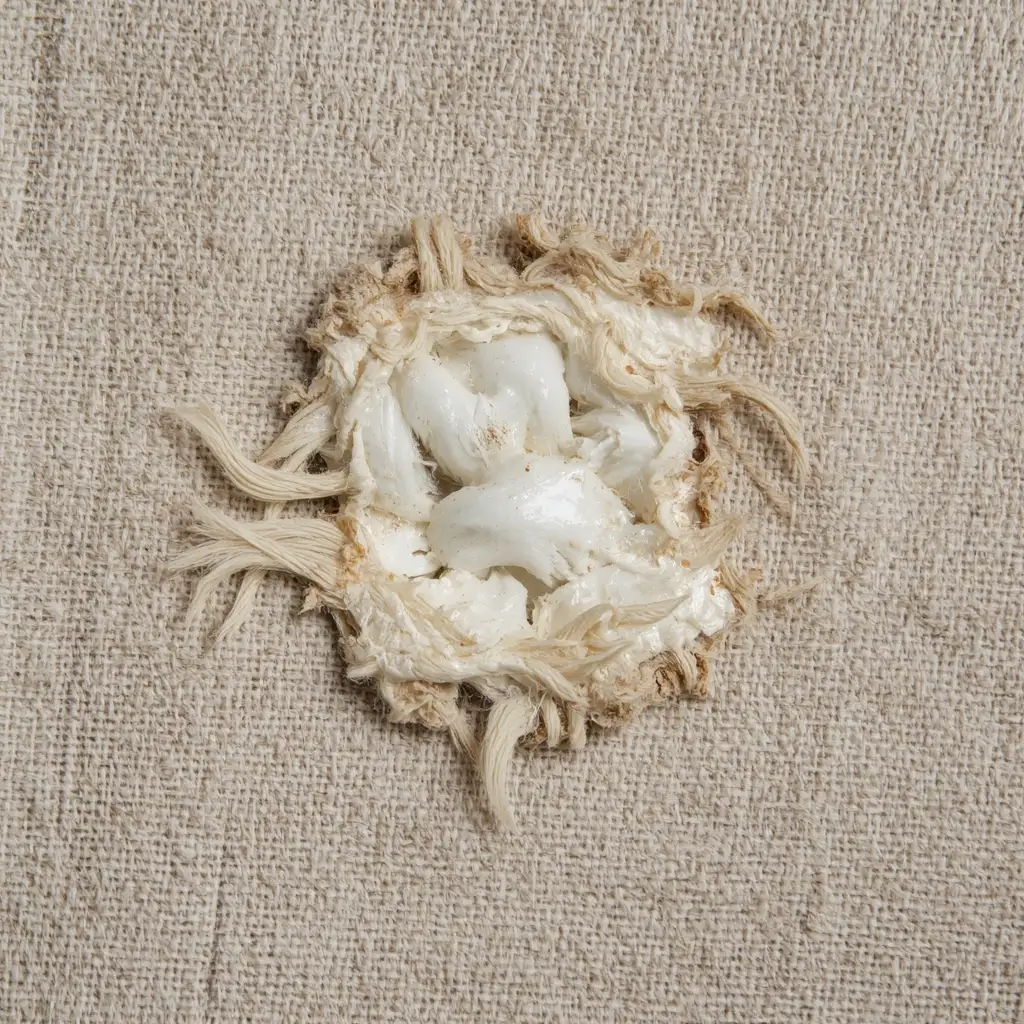
Fabric glue is a flexible adhesive designed for light, surface-level fabric bonding.
It is not built to replace stitching or handle structural stress.
What Fabric Glue Is
- A flexible adhesive, usually acrylic-based or polyurethane-based
- Designed for hems, patches, trims, and small repairs
- Intended for low-stress, low-movement areas
What Fabric Glue Is Not
- A substitute for sewing in load-bearing seams
- Reliable on stretch or high-tension fabric
- Designed for frequent machine washing and dryer heat
Fabric Glue vs Other Adhesives
- Fabric glue: flexible surface bond that moves slightly with fabric
- School glue: temporary craft use only
- Super Glue (cyanoacrylate): rigid, brittle, unsafe for most fabrics
- Industrial adhesives: strong but often too stiff for clothing
How Fabric Glue Works (And Why Flexibility Matters)
Fabric glue works by forming a surface bond that grips fabric fibers as it dries.
- Flexible adhesives bend slightly as fabric moves
- Rigid adhesives dry like plastic and crack when fabric bends
Adhesive Base Types
- Acrylic-based: flexible, common in clothing repairs
- Polyurethane-based: stronger grip, less forgiving on thin fabric
- Silicone-based: flexible but limited wash resistance
The wrong base type is a common cause of stiffness, cracking, or peeling.
When Fabric Glue Works Reliably
Fabric glue performs best when fabric movement, weight, and washing are limited.
Reliable uses include:
- Straight hems on non-stretch fabric
- Light patches and decorative trims
- Craft and décor projects
- Items washed rarely or by hand
In these cases, the adhesive bond stays intact because the fabric does not bend or stretch repeatedly.
When Fabric Glue Fails
Fabric glue fails when its physical behavior does not match how the fabric is used.
Fails After Washing
- Hot water and detergent weaken surface bonds
- Washing before full curing causes early failure
Important:
Most fabric glues have two cure stages:
- Handling cure: feels dry in 1–2 hours
- Chemical cure: reaches full strength in 24–72 hours
Washing during handling cure almost guarantees failure.
Dries Stiff or Feels Scratchy
- Rigid glue or excess glue dries like plastic
- Fabric bends, glue does not
Common on thin cotton and lightweight woven fabric.
Leaves Yellow or Dark Stains
- Solvent-based glue seeps into fibers
- Heat and light accelerate discoloration
High risk on silk, rayon, and light-colored fabric.
Cracks on Stretch or Knit Fabric
- Adhesive dries fixed
- Fabric stretches and breaks the bond
Not suitable for T-shirts, leggings, or activewear.
Fails on High-Stress Areas
- Fabric glue creates a surface bond only
- Structural areas require stitching
Examples: crotch seams, bag straps, seat areas.
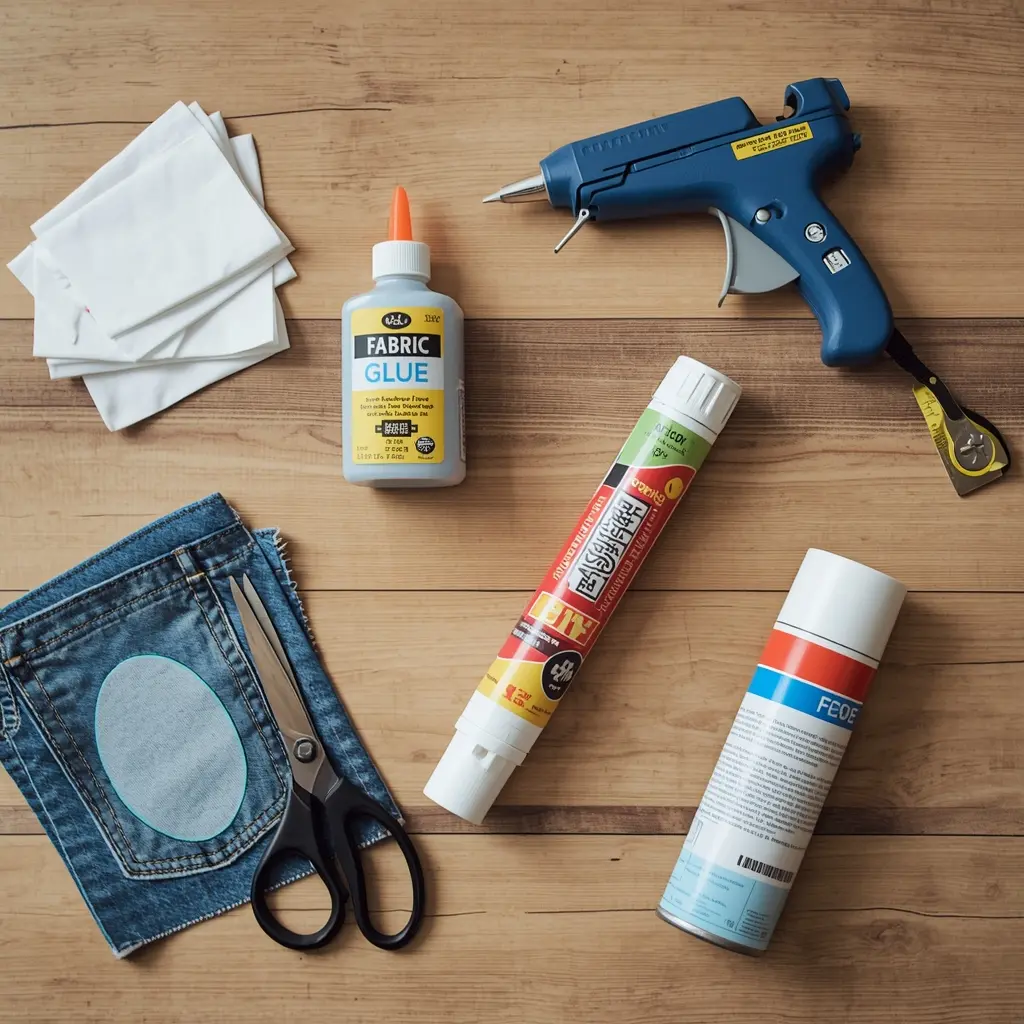
Washability vs Durability (Why “Washable” Still Fails)
Washable and durable are not the same.
Washable Means
- Cold-water washing
- Gentle cycle
- Air drying
- Full chemical cure before washing
Durable Means
- Withstands bending and friction
- Handles repeated movement
- Tolerates heat over time
A glue can survive washing but still fail if the fabric moves often or carries weight.
Fabric Glue by Fabric Type
Cotton and Linen
- Moderate compatibility with flexible fabric glue
- Unsafe with Super Glue due to fiber reaction
Denim and Canvas
- Heavy weight stresses adhesive bonds
- Sewing is safer for repairs
Polyester and Synthetic Fabrics
- Smooth fibers reduce absorption
- Heat weakens both fabric and adhesive
Knit and Stretch Fabric
- Glue cracks as fabric stretches
- Sewing remains the reliable option
Silk and Wool
- Highly sensitive to moisture and heat
- Spot testing is required before any adhesive use
Compatibility Overview
| Fabric Type | Glue Compatibility | Risk Level |
|---|---|---|
| Cotton / Linen | Moderate | Medium |
| Denim / Canvas | Low–Moderate | High |
| Polyester | Moderate | Medium |
| Knit / Stretch | Poor | High |
| Silk / Wool | Very Poor | Very High |
Heavy-Duty Fabric Glue (Correct Use Only)
Heavy-duty fabric glue is not stronger clothing glue.
It is designed for fabric-to-surface bonding, not garments.
Appropriate Uses
- Upholstery fabric to wood
- Foam or batting to furniture
- Fabric panels on rigid surfaces
Inappropriate Uses
- Clothing hems
- Garments that bend or stretch
- Items washed frequently
Safety Notes for Heavy-Duty Adhesives
- Many release strong fumes
- Ventilation is required during use
- Not suitable for enclosed indoor clothing repairs
Adhesive Selection by Surface
| Surface | Adhesive Type | Preparation |
|---|---|---|
| Wood | Spray adhesive | Light sanding |
| Metal | E6000 | Clean and scuff |
| Plastic | Acrylic-based glue | Degrease |
| Glass | Industrial tube glue | Clean and dry |
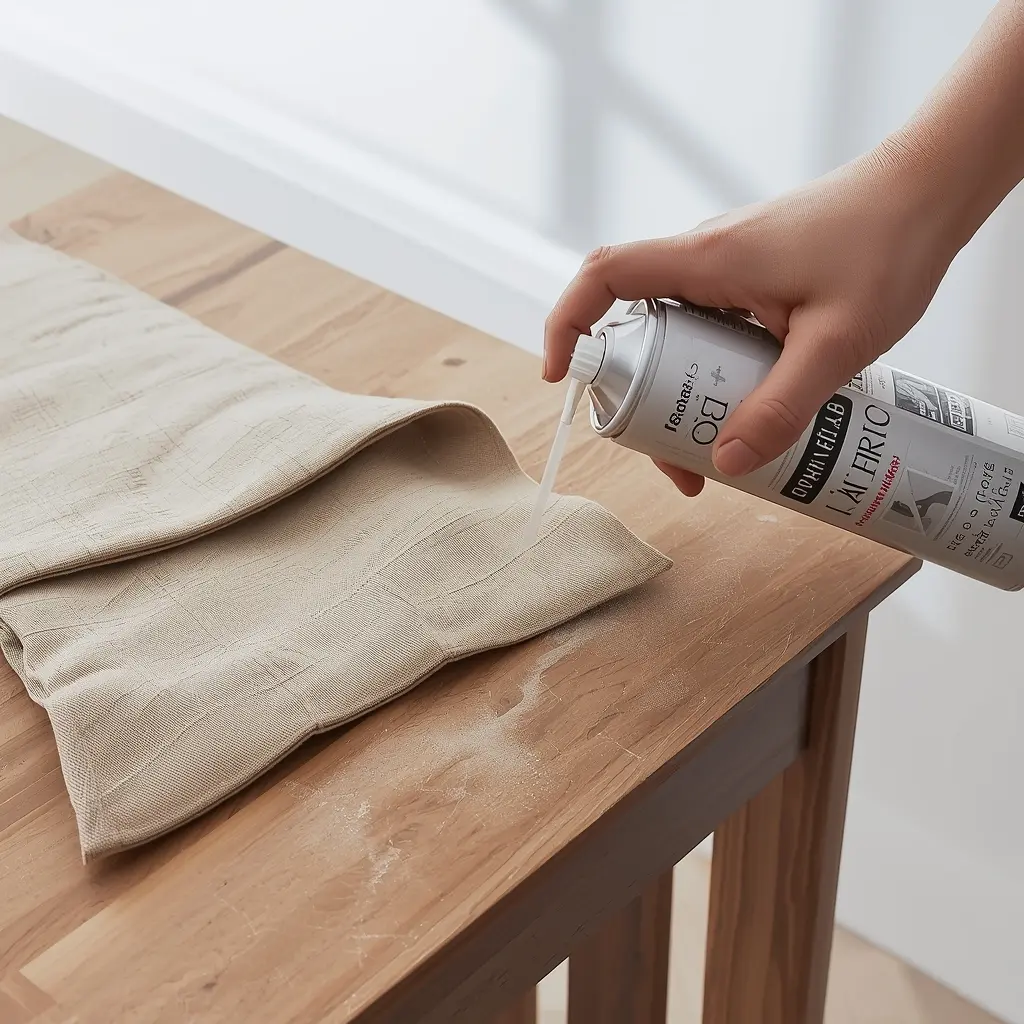
Fabric Glue vs Sewing vs Alternatives
| Situation | Best Option | Reason |
|---|---|---|
| Straight hem | Hemming tape | Low movement |
| Light patch | Fabric glue | Flexible bond |
| Denim repair | Sewing | Handles weight |
| Stretch fabric | Sewing | Moves with fabric |
| Upholstery | Spray adhesive | Large surface hold |
| Temporary hold | Basting spray | Washes out |
Safety Rules You Must Follow
- Never use Super Glue on fabric, especially cotton or wool
- Always test adhesive on a hidden area
- Allow 24–72 hours for full curing
- Avoid ironing and dryer heat on glued areas
Removing Fabric Glue
Fabric Glue
- Scrape gently after drying
- Cold water and mild detergent
- Acetone only after fabric testing
Hot Glue
- Freeze the item
- Peel once brittle
Heavy-Duty Glue
- Often permanent
- Mechanical removal only
Frequently Asked Questions
Is fabric glue permanent?
No. It weakens over time due to washing, heat, and fabric movement.
Can fabric glue replace sewing?
No. Sewing provides structural strength that adhesive cannot.
Does fabric glue dry stiff?
It can, especially when too much glue or a rigid adhesive is used.
Is Super Glue safe on fabric?
No. It can damage fibers and cause heat reactions on natural fabrics.
Conclusion
Understanding basic fabric care and maintenance principles helps prevent unnecessary damage. Fabric glue works only when the fabric type, stress level, and usage conditions stay within its limits. It performs well for light, low-movement repairs but fails on stretch, heavy weight, and frequent washing. Using glue where sewing is required often leads to permanent fabric damage.
Before choosing any adhesive, consider how the fabric moves, how often it is washed, and whether the area carries weight. When glue is not suitable, sewing or temporary alternatives are safer choices.