Last Updated on January 1, 2026 by Wahid
Quick Summary
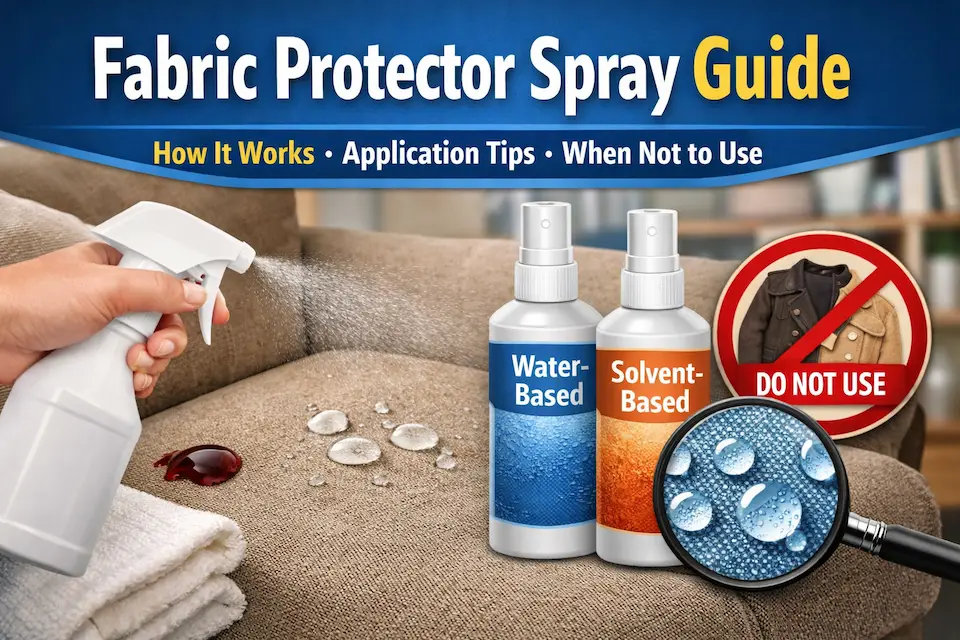
Fabric protector spray helps prevent stains by changing how liquids interact with fabric fibers.
Apply evenly, allow 12–24 hours to cure, and reapply every 6–12 months for indoor fabrics.
Fabric protector spray is often misunderstood.
Some people expect waterproofing. Others think it does nothing.
In reality, fabric protector spray does work, but only when used on the right fabric, applied correctly, and allowed to fully cure.
This guide explains the science, proper usage, and real limitations—without marketing claims.
What Is Fabric Protector Spray?
Fabric protector spray is a textile treatment that reduces how easily liquids, oils, and dirt penetrate fabric fibers.
According to textile finishing principles, these sprays work by lowering the surface energy of fibers.
This slows absorption without sealing the fabric or blocking airflow.
That is why treated fabric stays breathable while becoming easier to clean.
Does Fabric Protector Spray Work?
Yes—fabric protector spray works, but it does not make fabric stain-proof.
Most upholstery care guidelines explain that protectors buy time.
They slow liquid penetration so spills can be blotted before staining occurs.
Poor results usually come from:
- Overapplication
- Skipping curing time
- Using it on unsuitable fabrics
How Fabric Protector Spray Works (Simple Science)
Surface Tension and Capillary Action
Liquids spread when their surface tension is lower than the surface energy of fabric fibers.
Fabric protector spray lowers the fabric’s surface energy.
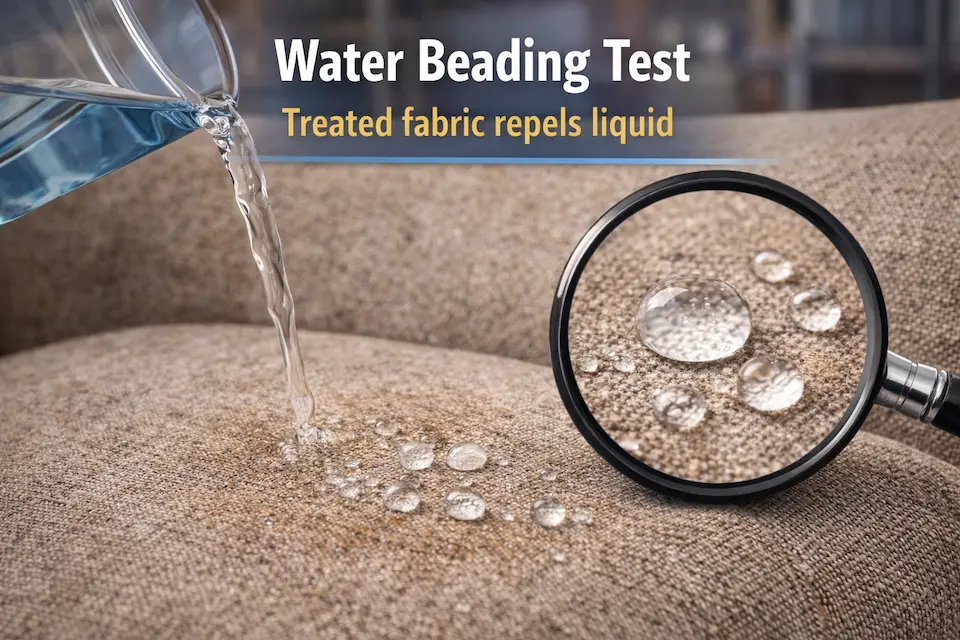
This forces liquids to bead up instead of spreading through capillary action.
That beading effect is the core sign that protection is active.
Drying vs Curing (Critical Difference)
Drying means the carrier liquid has evaporated.
Curing means protective molecules have bonded to the fiber surface.
Most fabric protector manufacturers recommend:
- Touch-dry in 1–2 hours
- Full cure in 12–24 hours
Using fabric before curing weakens protection.
Water-Based vs Solvent-Based Fabric Protector Spray: Which Should You Choose?
This is where many users get confused.
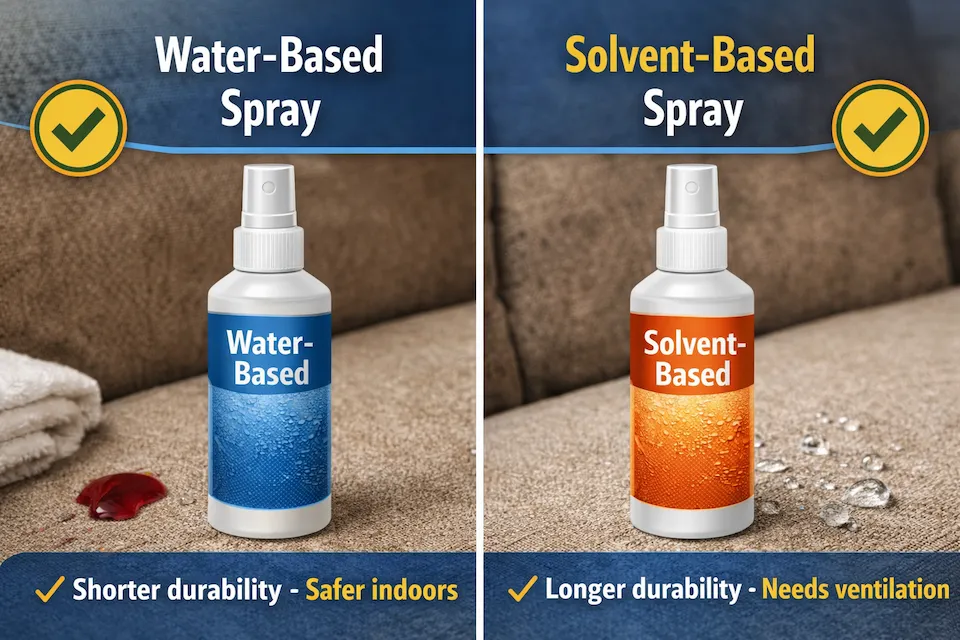
Here is a clear decision guide:
| Feature | Water-Based Spray | Solvent-Based Spray |
|---|---|---|
| Odor | Low | Strong |
| Indoor Safety | Higher | Requires ventilation |
| Fabric Feel | Softer | Slightly firmer |
| Durability | Moderate | Longer-lasting |
| Best For | Sofas, clothing, indoor upholstery | Outdoor furniture, heavy fabrics |
Quick rule:
If the fabric is indoors and used daily → choose water-based.
If it faces weather or heavy spills → choose solvent-based.
Does Fabric Type and Weave Matter?
Yes. Fabric behavior depends on fiber type and weave density.
- Loose weaves absorb faster
- Tight weaves repel longer
- Natural fibers absorb liquids quicker
- Synthetic fibers resist water but attract oils
The same spray can perform very differently depending on fabric structure.
Does Fabric Protector Spray Affect Breathability?
No.
Textile structure studies show protectors form a microscopic, porous layer.
Air still passes through the fabric.
When applied correctly, fabric does not feel plastic or sealed.
How to Use Fabric Protector Spray Properly
Step 1: Prepare the Fabric
Clean thoroughly and remove dust or residue.
The fabric must be completely dry.
Step 2: Apply Evenly
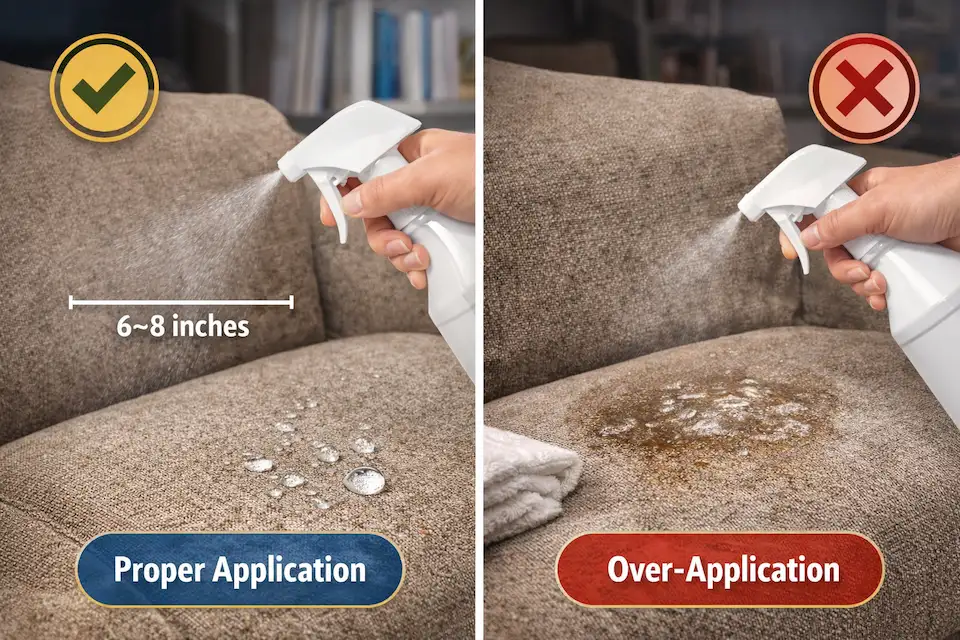
Hold spray 6–8 inches away.
Use slow, overlapping passes.
Avoid oversaturation.
Step 3: Allow Full Cure
Let surface dry first.
Wait 12–24 hours before use.
Avoid moisture during curing.
How Long Does Fabric Protector Spray Last?
For most home use:
- Indoor upholstery: 6–12 months
- Outdoor fabrics: Shorter lifespan due to weather exposure
A simple water-beading test tells you when reapplication is needed.
When NOT to Use Fabric Protector Spray
Avoid using fabric protector spray on:
- “X-coded” fabrics that cannot be cleaned
- Untreated leather or suede
- Fabrics with heavy existing stains
- Items washed frequently
Using spray on unsuitable fabrics can trap dirt or change texture.
Is Fabric Protector Spray Safe for Kids and Pets?
Most water-based sprays are considered safe after curing.
Manufacturers generally advise:
- Applying in ventilated areas
- Keeping children and pets away until fully cured
- Following label instructions exactly
Once cured, residue transfer risk is minimal.
DIY Fabric Protector Alternatives (Reality Check)
DIY solutions may repel water briefly but do not bond to fibers.
Expect:
- Short-term results
- Frequent reapplication
- Inconsistent protection
They are not a substitute for proper fabric protectors.
Fabric Protection Tips That Actually Matter
- Always test first on a hidden area
- Apply light, even coats
- Respect curing time
- Reapply after washing or heavy use
These steps matter more than brand choice.
Frequently Asked Questions
How long does fabric protector spray last?
Fabric protector spray typically lasts 6–12 months on indoor furniture, depending on use and cleaning frequency. Outdoor fabrics usually need more frequent reapplication due to sun, moisture, and abrasion. A quick water-beading test helps determine when protection has worn off.
Can I use fabric protector spray on sofas?
Yes. Sofas benefit significantly from fabric protector spray because they face frequent spills and contact. Apply evenly, allow full curing, and reapply periodically. Proper application helps slow absorption without changing comfort or breathability.
Does fabric protector spray work on all fabrics?
No. Some fabrics—especially “X-coded” materials, untreated leather, suede, or frequently washed items—should not be sprayed. Always check care labels and perform a patch test before full application.
Will fabric protector spray change fabric color or feel?
When applied lightly and allowed to cure fully, fabric protector spray does not change color or texture. Overapplication or poor ventilation can cause stiffness or residue.
Final Verdict
Fabric protector spray works when you understand what it actually does.
It does not seal fabric.
It changes liquid behavior at the fiber level.
Use the right type, apply it correctly, allow full curing, and reapply when needed.
That is how fabric protection actually works.